10 Effective Strategies to Boost Organic Traffic to Your Website in 2026
Discover proven strategies on how to get organic traffic to your website. Boost your online business with cost-effective SEO methods.
organic traffic, SEO strategies, digital marketing, online business, SEO automation
Understanding Organic Traffic
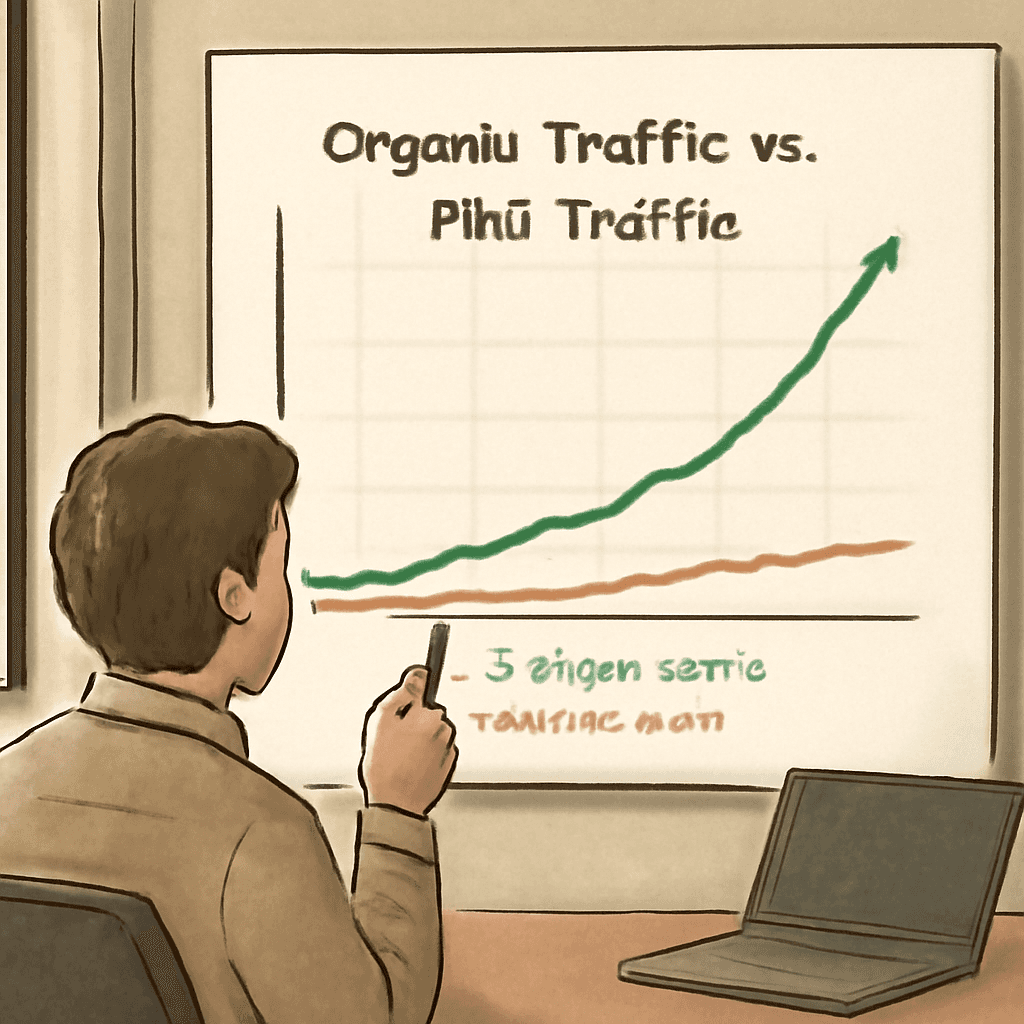
Organic traffic refers to visitors who land on your website through unpaid search engine results. Unlike paid traffic, which comes from ads, organic traffic is generated by users searching for information, products, or services that your content can provide.
Importance of Organic Traffic for Online Businesses
Organic traffic is crucial for online businesses due to several reasons:
Cost-Effectiveness: Unlike pay-per-click (PPC) models, organic traffic does not require ongoing spending. A strong SEO strategy can provide long-term visibility without the constant financial investment according to Yotpo.
Credibility and Trust: Visitors are more likely to trust organic search results over paid ads, boosting your brand’s credibility. High-ranking organic search results signal authority in your domain.
Sustainable Growth: While PPC campaigns can stop generating traffic the moment the budget runs out, organic traffic can continually bring in visitors with little maintenance once properly established.
Higher Click-Through Rates: Studies show that organic results tend to have higher click-through rates (CTR) compared to paid ads. This can lead to more potential customers engaging with your content as noted by Michigan Technological University.
How Search Engines Work
Understanding the mechanism of search engines is pivotal for leveraging organic traffic effectively. Here's a simplified overview:
Crawling: Search engines use bots to crawl the web, discovering new or updated pages. This process enables them to index websites accurately.
Indexing: After crawling, the search engine stores information in its database, categorizing content based on relevance, quality, and other factors.
Ranking: When a user inputs a search query, search engines perform complex algorithms to determine which indexed pages are most relevant. Factors include keywords, site authority, and user engagement metrics.
User Intent: Search engines strive to deliver results that match user intent, which consists of informational, navigational, and transactional types of searches. Tailoring your content to address these intents can enhance visibility.
"Understanding how search engines rank content is fundamental to increasing organic traffic."
Effective SEO practices, like those implemented by platforms such as VibeSEO, can streamline this process. By automating keyword research and technical audits, even those with limited SEO experience can boost their organic traffic significantly.
Conducting Thorough Keyword Research
Utilizing AI Tools for Keyword Insights
In 2026, keyword research has evolved significantly with the integration of AI tools. These innovative platforms can deliver advanced insights that surpass traditional methods. By analyzing large datasets, AI tools identify:
Trending keywords: Stay ahead of the curve with real-time updates on what’s popular.
Semantic variations: Discover synonyms and related phrases that enrich your content.
Tools like VibeSEO enable businesses to streamline their keyword research, saving time and increasing efficiency. This means less guesswork and more data-driven decisions when looking to enhance site visibility.

Identifying Long-Tail Keywords for Niche Targeting
Long-tail keywords are essential for targeting specific audiences. They often have lower competition and lead to higher conversion rates. To effectively identify and utilize long-tail keywords, consider:
Customer queries: Pay attention to the exact phrases your customers use in questions or searches.
Content gaps: Analyze existing content to find areas that lack relevant long-tail keywords.
Incorporating these keywords into your strategy not only boosts organic traffic but also helps establish authority in particular niches. Focusing on long-tail terms allows businesses to engage potential customers more deeply.
Assessing Keyword Difficulty and Search Volume
Understanding keyword difficulty and search volume is paramount for effective SEO strategies. To assess these factors:
Difficulty score: Use AI-based tools to gauge how competitive a keyword is. This score indicates how hard it will be to rank on the first page as observed by MonsterInsights.
Search volume analysis: Prioritize keywords that consistently have a high search volume, as these offer greater traffic potential.
By carefully balancing these metrics, businesses can create a targeted approach that maximizes their SEO efforts. Ultimately, this leads to improved visibility and a steady increase in organic traffic.
“Focusing on the right keywords is not just about traffic; it’s about driving the right traffic that converts.”
Optimizing On-Page SEO Elements
Crafting compelling SEO-friendly meta titles and descriptions is fundamental in ensuring your content ranks well and attracts clicks. Here are essential points to consider:
Meta Titles: Keep them around 50-60 characters. Include your primary keyword and make it engaging. Use action words or questions to pique interest.
Meta Descriptions: Aim for 150-160 characters. Clearly summarize the content while incorporating your focus keyword naturally. Entice users with a call-to-action.
“A well-crafted meta title can significantly increase your click-through rates by making your page stand out in search results.”

Utilizing Header Tags Effectively
Header tags (H1, H2, H3, etc.) are crucial for structuring your content. They not only guide readers but also help search engines understand your page better.
H1 Tags: Use only one H1 per page that includes your main keyword. This should reflect the primary topic of your content.
H2 and H3 Tags: These should outline sub-topics. Incorporate related keywords where appropriate. This enhances the readability and SEO-friendliness of your page.
Consider a hierarchical structure:
H1: Main Title with Primary Keyword
H2: Key Points or Sections
H3: Subsections or Details
Incorporating Keywords Naturally in Content
Natural keyword integration remains vital for effective on-page SEO. Strive for a context-rich application of keywords while maintaining readability.
Keyword Density: Aim for 1-2% keyword density. This means using your primary keyword strategically without overstuffing.
Latent Semantic Indexing (LSI) Keywords: Utilize synonyms and related keywords. This technique enhances relevance and helps capture a broader audience.
Content Flow: Ensure that the keywords fit seamlessly into the content. Utilize them in the opening paragraph, subheadings, and conclusion to emphasize relevance.
Engaging, well-structured content that smoothly incorporates keywords ultimately enhances both user experience and SEO performance.
Stay current with the latest AI-driven tools like VibeSEO to refine these processes, so these critical elements of on-page SEO aren’t just tasks but integral parts of your growth strategy.
Creating High-Quality, Engaging Content
Content plays a pivotal role in driving organic traffic. High-quality, engaging content not only attracts visitors but also encourages them to stay longer and interact with your site. In 2026, businesses that harness the power of content effectively can vastly improve their ranking in search engines.
The Role of Content in Driving Organic Traffic
Search engines prioritize content that fulfills user intent. Therefore, producing high-quality content helps websites rank higher and improves visibility. Engaging articles capture readers' attention and encourage shares, further boosting organic traffic.
User Engagement: Quality content increases dwell time and reduces bounce rates.
Social Shares: Compelling content tends to be shared more widely, leading to additional traffic.
SEO Signals: High-engagement content generates backlinks, enhancing search engine authority.
Using AI to Generate SEO-Optimized Articles
AI technologies can expedite the content creation process while maintaining quality. Tools designed for content generation analyze trending topics, audience preferences, and SEO best practices.
Topic Generation: AI identifies emerging topics relevant to your audience.
Keyword Optimization: By analyzing keyword density and placement, AI ensures articles rank well.
Content Structure: AI can suggest optimal headings, bullet points, and formatting to enhance readability.
By utilizing AI, businesses can streamline their content strategies, ensuring they remain competitive in a crowded digital landscape.
How to Ensure Content Relevance and Originality
In the age of information overload, relevance and originality are crucial. Using AI for content generation should not compromise these elements.
Regular Updates: Keep information current by updating old articles with fresh content and insights.
Diverse Formats: Incorporating different types of content (videos, infographics) increases engagement.
Plagiarism Checks: Utilize tools to ensure originality and avoid penalties from search engines.
“Great content is not just about keywords; it’s about providing value that resonates with the audience.”
Incorporating these strategies will significantly enhance your content’s effectiveness. By leveraging AI while ensuring authenticity, businesses can create a sustainable flow of organic traffic and establish authority in their niche.
Enhancing Technical SEO for Better Visibility
Website speed and mobile optimization are crucial for technical SEO. In 2026, users expect websites to load quickly on all devices. A delay of just a few seconds can substantially impact user experience and increase bounce rates.
Importance of Website Speed and Mobile Optimization
Search engines, like Google, consider site speed a ranking factor. A faster website ensures visitors stay engaged and reduces the likelihood of them leaving before even interacting with your content. Also, with the continued rise of mobile browsing, it’s essential your website is optimized for mobile devices.
Key reasons why you should prioritize speed and mobile optimization include:
Improved User Experience: Faster load times lead to lower bounce rates.
Higher Rankings: Sites that load quickly tend to rank higher in search engine results as seen in recent studies.
Increased Conversions: Users are more likely to make purchases or engage with your services when pages load promptly.
Conducting Technical Audits with AI Solutions
Regular technical audits are essential for maintaining site health. Using AI-driven tools for these audits can streamline the process, uncovering issues that might be overlooked in manual checks.
AI solutions can efficiently:
Identify Crawl Issues: Detecting broken links or server errors.
Analyze Page Speed: Providing insights on load times and optimization opportunities.
Evaluate Mobile Compatibility: Ensuring your site performs well across various devices.
By integrating AI into your SEO strategy, you can keep your website optimized without the labor-intensive processes previously required.
Fixing Common SEO Issues
Addressing common technical SEO issues is paramount to maintaining visibility. Here are areas often requiring attention:
Crawl Errors: Issues that prevent search engines from indexing your site correctly.
Broken Links: Links leading to 404 pages can harm user experience and SEO.
Duplicated Content: Failing to manage duplicates can dilute page authority.
Utilizing VibeSEO can make identifying and resolving these technical challenges much more manageable.
“The backbone of a successful SEO strategy is a technically sound website. Neglecting technical SEO can jeopardize even the best content strategies.”
Enhancing your technical SEO with modern solutions ensures that your website is not only functional and user-friendly but also primed for greater organic traffic. By automating these tasks, you reclaim valuable time and resources, allowing you to focus on your core business operations.
Building High-Quality Backlinks
Earning backlinks naturally requires a strategic approach that emphasizes quality over quantity. Here are effective strategies to help you acquire valuable links:
Strategies for Earning Backlinks Naturally
Create Link-Worthy Content: Crafting high-quality, insightful content encourages others to link to your site. Focus on data-driven articles, infographics, or comprehensive guides that add value to your audience.
Engage in Community Building: Participating in relevant online forums and social media groups helps establish your authority. Share your expertise and integrate your content where appropriate, which can lead to natural backlinking.
Leverage Social Proof: Encourage mentions by facilitating sharing and discussions around your content. Testimonials or case studies highlighting user success can attract attention and earn backlinks.
Utilize Resource Pages: Identify resource lists and link directories in your niche. Volunteering your content as a resource adds visibility and increases your chances of earning quality backlinks.
The Importance of Guest Blogging and Collaborations
Guest blogging remains a powerful method for building backlinks. It allows you to tap into existing audiences while enhancing your authority. Consider these benefits:
Expanded Reach: Writing for established sites exposes your content to a larger audience.
Quality Backlinks: Many guest posting opportunities offer a backlink to your site within authoritative contexts.
Networking Opportunities: Collaborating with industry peers through guest posts can lead to more partnership opportunities in the future.
Developing relationships with other bloggers and industry leaders can facilitate successful collaborations. Mutual promotions through cross-content creation not only build backlinks but also foster community engagement.
Analyzing Competitors’ Backlinks for Opportunities
To enhance your backlink strategy, examining competitors can reveal significant insights. Follow these steps to identify potential link-building opportunities:
Use Backlink Analysis Tools: Platforms like Ahrefs or SEMrush allow you to track where competitors earn their backlinks. Analyze the types of content that attract links.
Identify Gaps: Compare your site’s content with competitors. This assessment reveals unique opportunities you can target, whether through improved content or new angles.
Reach Out: Once you spot attractive backlink avenues, engage with those sites. A personalized outreach email can introduce your relevant content and suggest collaboration or guest posting.
"Analyzing competitors’ backlinks not only saves time but also opens doors to previously unexplored opportunities."
In 2026, integrating these strategies into your backlink efforts can significantly increase your website's authority, ultimately improving your organic traffic and visibility. For those looking for streamlined solutions, platforms like VibeSEO automate many of these processes, allowing you to focus on creating stellar content while ensuring your backlink profile grows efficiently.
Utilizing Social Media to Drive Organic Traffic
Social media has evolved beyond a connect-and-share platform into a crucial mechanism for boosting your website's organic traffic. Leveraging various social platforms can significantly enhance your SEO efforts.
How to Leverage Social Platforms for SEO
Different platforms serve distinct purposes, so choose wisely. Focus on channels where your target audience thrives.
Determine Ideal Platforms: Utilize analytics to find where your audience engages most. Is it Facebook, Twitter, Instagram, or LinkedIn?
Optimize Profiles: Ensure your profiles are complete with relevant keywords, links, and descriptions that align with your brand’s voice.
Engage Regularly: Consistent engagement, like responding to comments and sharing updates, can keep your brand alive in users' feeds and draw them to your site.
Creating Shareable Content that Attracts Engagement
Shareable content can expand your reach dramatically. The key is to produce material that resonates with your audience.
Use Visuals: Incorporate eye-catching images, infographics, or videos that convey your message effectively.
Craft Compelling Headlines: Headlines should create curiosity or offer solutions, prompting users to share your content.
Encourage Interactivity: Polls, quizzes, or challenges can invite participation, increasing shares and interactions.
"Content is king, but engagement is queen, and the lady rules the kingdom."
Analyzing Social Signals and Their Impact on Rankings
Social signals—interactions on social platforms—can indirectly influence your SEO performance.
Monitor Engagement Metrics: Keep an eye on likes, shares, and comments as indicators of your content's performance.
Use Analytics Tools: Employ tools like Google Analytics or social media insights to gauge traffic coming from social channels.
Understand the Correlation: Increased engagement can lead to higher visibility, which might result in more backlinks or mentions, boosting your rankings.
Utilizing social media strategies not only fills gaps in manual SEO processes but also positions your content in front of a relevant audience. By automating these efforts with tools like VibeSEO, you can consistently attract organic traffic with minimal effort.
Monitoring and Analyzing Traffic with SEO Tools
Tracking the right key metrics is essential for understanding and driving organic traffic growth. These metrics offer insights into your visitors' behavior, content effectiveness, and overall website performance.
Key Metrics to Track for Organic Traffic Growth
Organic Sessions: Measure the total number of visits through organic search.
Bounce Rate: Monitor the percentage of visitors who leave after viewing just one page.
Average Session Duration: Evaluate how long users stay on your site, which indicates content engagement.
Conversion Rate: Determine the percentage of visitors completing desired actions, such as signing up or making purchases.
Understanding these metrics will help you identify what's working and what requires adjustment in your SEO strategy.
Using Google Analytics and SEO Tools for Insights
Google Analytics serves as a powerhouse in tracking your website's performance. You can monitor traffic sources, user demographics, and behavior on your site. Use the Insights feature to discover:
Which pages attract the most traffic.
User flow paths, revealing how visitors navigate your site.
Geographic data to understand where your audience comes from.
In addition to Google Analytics, leveraging specialized SEO tools like VibeSEO can help uncover deeper insights through robust keyword analysis and technical audits. These tools identify keyword opportunities, track ranking changes, and provide updates on backlink profiles.
Adjusting Strategies Based on Data Analysis
Once you've gathered data, it's crucial to adjust your strategies accordingly. Here’s how to make data-driven decisions effectively:
Traffic Peaks and Troughs: Identify patterns, such as specific times when traffic spikes occur. This knowledge allows you to optimize content release and promotional strategies accordingly.
Content Performance: Analyze pages with high bounce rates or short average session durations. Consider revising the content or improving the user experience on those pages to enhance retention.
Keyword Performance: Monitor keywords that drive organic traffic. If certain keywords are underperforming, consider optimizing your content or focusing on more effective keywords.
Audience Engagement: Use engagement metrics to refine your target audience. Tailoring content and marketing strategies based on user preferences can significantly boost organic traffic.
“The key to successful SEO is not just understanding how to drive traffic, but knowing how to keep it engaged and convert it.”
Utilizing insights from these practices, alongside tools like VibeSEO, can enable you to adopt a proactive approach in maintaining and enhancing your website's traffic continually.
The Role of VibeSEO in Boosting Organic Traffic
VibeSEO is revolutionizing the way online businesses approach SEO tasks, making it essential for enhancing organic traffic. By automating various SEO activities, businesses can reduce their workload and focus on strategic growth.
How VibeSEO Automates SEO Tasks for Efficiency
VibeSEO streamlines manual SEO processes through automation. This technology allows digital marketers to:
Generate High-Quality Content: Create SEO-optimized content effortlessly.
Perform Technical Audits: Identify and address technical issues on websites without extensive manual effort.
Keyword Research: Automatically discover high-ranking keywords tailored to business needs.
With VibeSEO, businesses can significantly decrease the time spent on mundane tasks while maintaining high-quality outputs.
Features of VibeSEO That Impact Organic Traffic
VibeSEO comes packed with features designed to drive traffic effectively:
Real-Time Analytics: Monitor SEO performance with up-to-the-minute data, allowing for timely adjustments.
Competitor Analysis: Gain insights into competitor strategies to refine your own approach.
Automated Backlink Monitoring: Track backlink performance to ensure continuous improvement in authority and ranking.
By harnessing these features, businesses can implement informed strategies that ultimately enhance organic visibility.
Success Stories from VibeSEO Users
Real-world examples highlight VibeSEO’s capabilities:
"After using VibeSEO for just three months, our organic traffic increased by 150%. Its automation has transformed our marketing process." - A satisfied user from an eCommerce platform.
Users report substantial improvements in keyword rankings and overall web presence. Case studies reveal that businesses leveraging VibeSEO’s automation see better resource allocation and increased ROI.
Choosing VibeSEO means investing in a 24/7 marketing agent that fuels your SEO strategy, ensuring you attract and retain valuable organic traffic efficiently.
Comparative Analysis of Competitor Solutions
AI-powered SEO tools are transforming how digital marketers and online businesses optimize their websites for search engines. By automating various aspects of SEO, these tools eliminate tedious manual processes and enhance overall efficiency.
Overview of AI-Powered SEO Tools
AI-driven SEO solutions leverage machine learning algorithms and data analysis to optimize keyword research, content creation, technical audits, and performance tracking. This results in increased organic traffic and better user engagement, as businesses can focus on strategy rather than repetitive tasks.
Comparing Key Features of VibeSEO, Rankpill, and Outrank
VibeSEO:
Automated Keyword Research: Utilizes AI to analyze search trends, helping identify potential keywords effortlessly.
Comprehensive Technical Audits: Offers real-time site health analysis, allowing businesses to rectify issues promptly.
24/7 Marketing Agent: Operates continuously, ensuring consistent monitoring and optimization of SEO strategies.
Rankpill:
Smart Content Suggestions: Focuses on guiding users to create content that meets specific ranking criteria.
Limited Auditing Tools: Primarily emphasizes keyword tracking, which may provide less comprehensive insights into site health.
Outrank:
Competitor Analysis: Delivers insights into competitors’ strategies, helping businesses understand their position in the market.
Manual Overall SEO Process: Requires more user input for ongoing optimization efforts, which may not suit those seeking complete automation.
Choosing the Right Tool for Your Business Needs
Selecting the best tool depends on your business's unique requirements and SEO proficiency. Consider the following:
Automated vs. Manual Processes:
If you seek hands-free management, VibeSEO’s automation capabilities make it an ideal choice.
Depth of Features:
For comprehensive SEO needs, VibeSEO’s extensive auditing and keyword research outshine other options.
Budget and Scalability:
Evaluate cost-effectiveness against feature sets to ensure you find a solution that grows with your business.
"Investing in the right SEO tools not only improves efficiency but also drives measurable results in organic traffic."
Ultimately, understanding your business's specific SEO pain points will guide you toward the most suitable tool. VibeSEO emerges as a strong candidate for those seeking an all-encompassing, automated solution, addressing common issues like manual processes and lack of technical know-how.
FAQs About Driving Organic Traffic
What is the 80/20 rule for SEO?
The 80/20 rule, also known as the Pareto Principle, suggests that 80% of effects come from 20% of causes. In SEO, this means that a small number of strategies and keywords can generate the majority of your organic traffic. Focus on identifying high-impact keywords and optimizing existing content.
This efficient allocation of resources helps businesses prioritize their efforts where they will yield the greatest return. For instance, targeting specific, high-volume keywords often leads to significant traffic increases.
How to drive traffic to a site organically?
Driving traffic organically requires a multifaceted approach. Here are key strategies:
Quality Content: Create informative, engaging, and original content relevant to your target audience.
Keyword Optimization: Utilize effective keyword research to integrate relevant terms throughout your content.
Backlinking: Build high-quality backlinks from reputable sites to improve domain authority.
On-Page SEO: Optimize titles, meta descriptions, and header tags to ensure search engines can easily index your content.
Technical SEO: Ensure your website loads quickly, is mobile-friendly, and has a clear site structure.
Implementing these strategies consistently can significantly boost your site's organic traffic.
What are the 7 C's of a website?
The 7 C's of a website are essential components that influence user experience and can affect organic traffic. They include:
Context: The overall look and feel of your site, including layout and design.
Content: The information provided, which must be relevant and valuable to users.
Community: Engagement with users through comments, forums, or social media.
Customization: Personalizing user experiences based on preferences and behavior.
Communication: Clear and effective avenues for users to contact you or give feedback.
Connection: Links to social media and other relevant sites enhance community and content.
Commerce: Simplifying the purchasing process for e-commerce sites to improve conversions.
Focusing on these seven aspects can lead to improved user satisfaction, ultimately driving more organic traffic to your site.
Does SEO drive 1000% more traffic than organic social media?
While it's challenging to provide an exact percentage, SEO does tend to drive significantly more traffic than organic social media for most businesses. A report by HubSpot indicated that SEO can generate up to 5 times more traffic than social media. This is because SEO targets users actively searching for your products or services, leading to higher conversion rates.
"SEO is a long-term investment that, when done correctly, can yield substantial returns over time."
Furthermore, unlike social media, which often requires continuous content creation to engage audiences, a well-optimized post can draw traffic for years without further investment.
Utilizing tools like VibeSEO to streamline your SEO processes can enhance your organic traffic without the tedious manual effort. This allows you to focus on high-impact activities that drive results, tackling the challenges many digital marketers face today.