7 Essential Search Engine Optimization Strategies for 2026
Discover how search engine optimized tactics can elevate your online business. Boost visibility, credibility, and organic traffic with VibeSEO.
SEO, AI-driven SEO, digital marketing, organic traffic, VibeSEO
Understanding Search Engine Optimization
Search Engine Optimization (SEO) is the process of improving the visibility and ranking of a website in search engine results. It encompasses various techniques aimed at driving organic traffic through better placement in search results, thereby increasing the likelihood that users will visit your site.
Importance of SEO in Digital Marketing
SEO is crucial in digital marketing for several reasons:
Visibility: Higher search engine rankings mean more visibility for your brand. This visibility can lead to increased brand recognition.
Credibility: Websites that rank higher in search engines are generally perceived as more credible. Good SEO practices build trust with users.
Cost-Effectiveness: Compared to paid advertising, investing in SEO can yield long-term benefits at a lower cost. Organic traffic is sustainable and often brings higher conversion rates.
User Experience: SEO practices improve the overall user experience by making websites easier to navigate, which can lead to lower bounce rates and higher engagement.
"Investing in SEO is investing in the future of your online business."
How SEO Impacts Organic Traffic
The impact of SEO on organic traffic cannot be overstated. Improved SEO leads to:
Increased Click-Through Rates (CTR): Higher rankings attract more clicks. Research shows that the first position on Google captures over 25% of clicks, according to Search Engine Land.
Targeted Traffic: SEO helps you target specific keywords relevant to your business, attracting an audience that is actively seeking your products or services.
Enhanced User Engagement: An optimized site improves page load speed and mobile responsiveness. These factors lead to longer time spent on site and lower bounce rates.
Sustained Growth: SEO is a marathon, not a sprint. Consistent optimization and quality content can lead to long-lasting organic traffic growth over time.
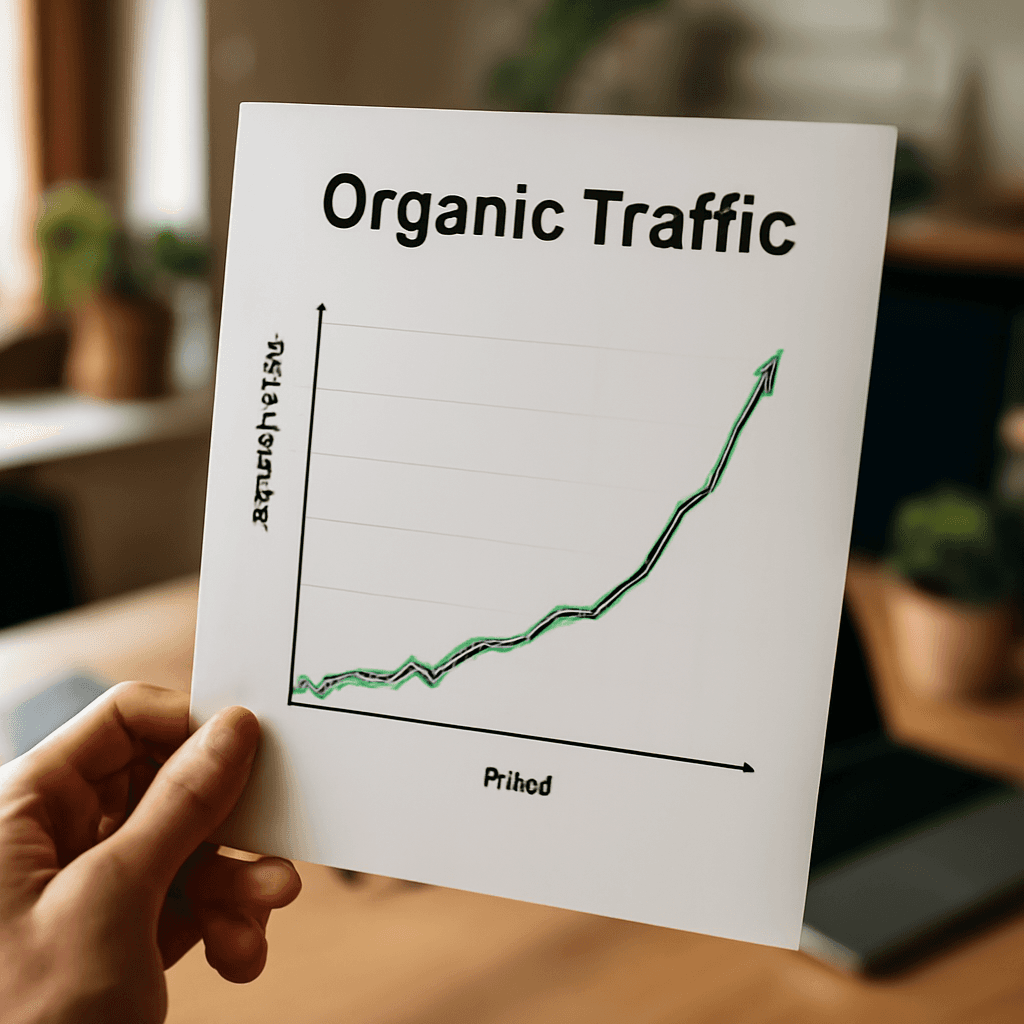
As the online landscape becomes increasingly competitive in 2026, prioritizing SEO is more important than ever. It allows businesses to stay relevant and visible in an ever-changing digital environment. Relying solely on paid ads is no longer viable; organic traffic derived from robust SEO strategies is essential for sustainable growth.
By investing in AI-driven solutions like VibeSEO, online businesses can automate SEO processes, ensuring optimal performance without the need for extensive keyword research or technical expertise. This software acts as a 24/7 marketing agent, freeing businesses from manual SEO burden and allowing them to focus on growth and creativity.
The Core Components of SEO
Keyword Research
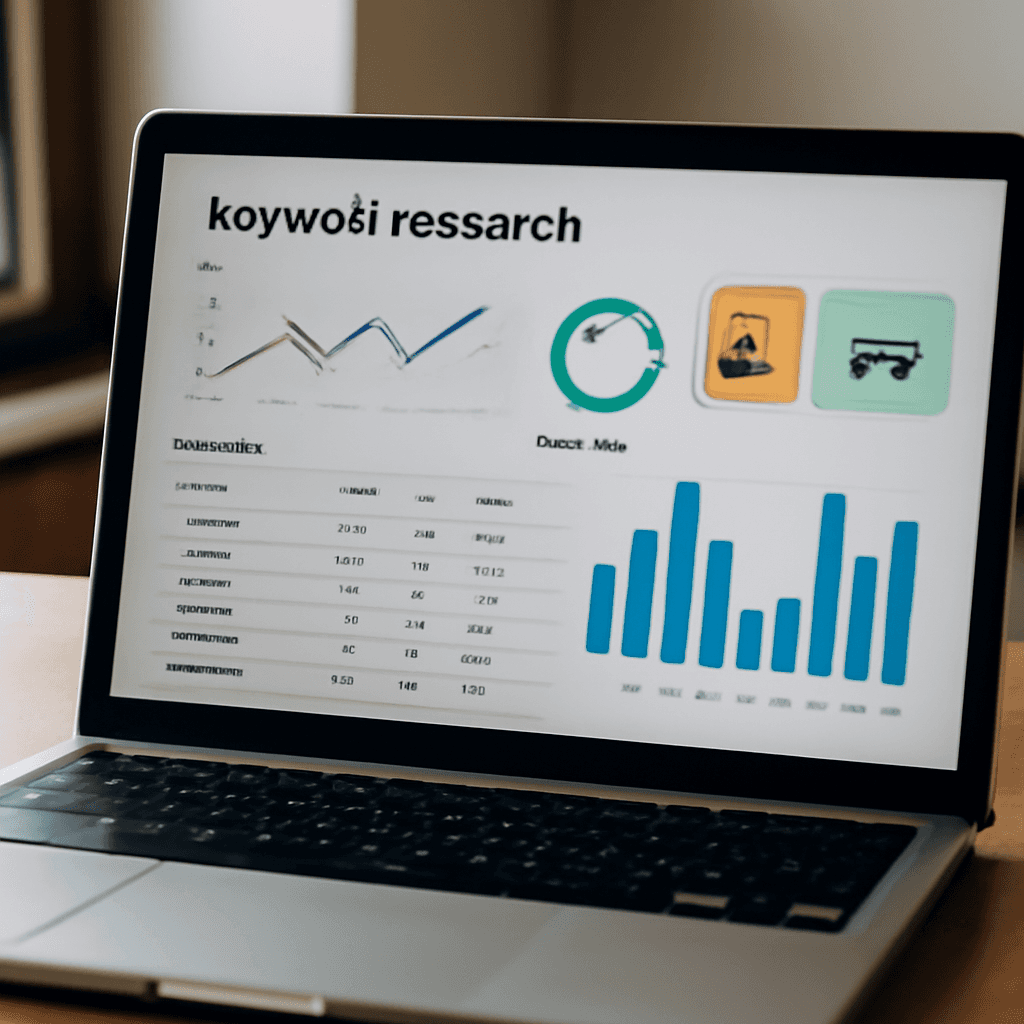
Identifying and targeting the right keywords is essential for effective SEO. Use tools such as Google Keyword Planner and SEMrush to discover keywords relevant to your industry.
Long-tail keywords often convert better as they target specific queries.
Competitor analysis can reveal opportunities in your niche.
Focus on search intent—understand what users are looking for.
With VibeSEO, automating keyword research can save time and increase accuracy.
On-Page Optimization
Enhancing website elements for better visibility is crucial. On-page SEO includes optimizing title tags, meta descriptions, and header tags.
Internal linking improves site navigation and boosts SEO. Consider reading more on internal linking strategies.
Ensure content is structured using proper headers (H1, H2, H3).
Keyword placement within your content should feel natural to avoid keyword stuffing.
Quality on-page optimization directly affects user experience and organic traffic.
Technical SEO
Ensuring your website functions well is vital for ranking. Technical SEO involves optimizing your site’s backend elements.
Check your website’s loading speed—a slow site can deter users.
Implement an XML sitemap to help search engines crawl your site effectively.
Regular site audits can identify and resolve potential issues.
By using tools like VibeSEO, you can streamline technical audits and maintenance tasks.
Content Creation
Quality and relevance of content are paramount. Search engines prioritize content that answers users' queries effectively.
Focus on original and informative content that provides value to your audience.
Incorporate multimedia elements like images and videos to engage users.
Regularly update existing content to keep it fresh and relevant.
Effective content creation can enhance dwell time, reducing bounce rates.
"High-quality content is what keeps visitors returning to your site."
By tackling these core components of SEO, online businesses can overcome common pain points. Adopting a strategic approach leads to greater visibility and increased organic traffic. Embrace solutions like VibeSEO to automate your SEO tasks and stay ahead of the competition.
Can a Beginner Do SEO? Tips for Starting
Getting started with SEO can feel daunting, especially for beginners. However, with the right approach, anyone can navigate this complex landscape effectively.
Getting Started with Basic SEO
Begin by familiarizing yourself with foundational SEO concepts. Start with:
On-page SEO: Focus on optimizing individual pages with relevant keywords and content.
Off-page SEO: Work on building backlinks and enhancing your site's authority.
Technical SEO: Ensure your site is easily crawlable by search engines and loads quickly.
Establishing a solid foundation in these areas is crucial. Gradually delve into the more intricate aspects, such as schema markup and site architecture.

Utilizing SEO Tools for Simplification
Taking advantage of SEO tools can significantly streamline your learning process. Some essential tools include:
VibeSEO: Automates SEO tasks, offering insights into keyword optimization and site performance.
Google Analytics: Provides data on web traffic to understand user behavior and refine your strategy.
Ahrefs and Moz: Excellent for backlink analysis and keyword research, helping you stay competitive.
These tools help demystify complex SEO tasks, making it easier to implement effective strategies without requiring extensive technical knowledge.
Learning Resources and Communities
Investing time in quality learning resources will fast-track your SEO skills. Recommended platforms include:
YouTube: Numerous channels offer step-by-step guides and updates on SEO strategies.
Online Courses: Websites like Coursera and Udemy provide structured learning paths for various skill levels.
SEO Forums and Communities: Engage with other learners on platforms like Reddit and specialized SEO forums.
Collaborating with peers can offer insights that accelerate your understanding of SEO.
"Success in SEO isn’t just about technical skills; it’s a blend of creativity and analytical thinking."
Exploring the vast array of resources available can empower you to effectively implement and manage your SEO strategy.
As you embark on your SEO journey, remember that patience and persistence are vital. Each step taken towards mastering SEO can significantly benefit your online business' visibility and traffic over time.
Best Practices for Search Engine Optimization
Mobile Optimization
Responsive design is no longer optional; it's a necessity. As of 2026, mobile devices account for over 60% of global web traffic.
Fast Loading Times: Ensure your website loads quickly on mobile. Aim for under three seconds.
User-Friendly Navigation: Simplify menus and buttons. Ensure touch elements are easily accessible.
Viewport Configuration: Use the viewport meta tag to control layout on mobile browsers.
A mobile-optimized site enhances user experience and positively affects SEO rankings. Google prioritizes mobile-first indexing, which means it uses the mobile version of a site for ranking and indexing.
Content Marketing
Building a quality content strategy is vital for successful SEO in 2026. High-quality, relevant content increases dwell time and reduces bounce rates.
Keyword Intent: Focus on understanding user intent behind keywords. This means creating content that answers specific queries and meets user needs.
Content Types: Incorporate a variety of formats (blogs, videos, infographics) to engage different audience segments.
Regular Updates: Frequently update content to keep it relevant. Stale content can lead to a decline in traffic.
Effective content marketing attracts organic traffic and positions your brand as an authority in your niche.
User Experience (UX)
User experience directly impacts SEO rankings. Search engines like Google emphasize the importance of user engagement factors.
Page Experience Signals: Monitor metrics such as Core Web Vitals. Focus on loading performance, interactivity, and visual stability.
Reduced Click-Through Rates (CTR): Poor user experience can lead to lower CTRs, affecting your position in search results.
A/B Testing: Regularly test different design elements such as layouts, colors, and navigation to see what works best for your audience.
Investing in user experience can transform your site into a more proactive marketing tool, increasing your organic reach.
By implementing these best practices for SEO, online businesses can streamline their processes and enhance their visibility. Tools like VibeSEO can help automate many of these strategies, ensuring you focus on growing your business while optimizing for search engines.
The Four Steps of SEO Success
Step 1: Analyzing Your Current Website Performance
Understanding where your website stands is crucial for SEO success. Start by conducting a thorough audit using tools like Google Analytics and Ahrefs. Focus on key performance indicators such as:
Organic traffic: Assess the volume of visitors arriving through search engines.
Bounce rate: Determine how many visitors leave after viewing only one page.
Conversion rates: Evaluate the percentage of visitors completing desired actions.
This analysis will reveal both strengths and weaknesses, guiding your next steps.
Step 2: Developing an Effective SEO Strategy
With performance data in hand, develop a comprehensive SEO strategy. Key components include:
Keyword Research: Identify high-traffic, low-competition keywords relevant to your niche.
Content Strategy: Plan high-quality, engaging content that aligns with user intent.
Technical SEO: Address any underlying technical issues that could impact ranking.
A well-structured strategy ensures that all subsequent actions are focused on achieving measurable results.
Step 3: Implementing Changes and Optimizations
Now it’s time to put your strategy into action. This involves:
On-Page Optimization: Modify titles, meta descriptions, and headers with targeted keywords.
Content Updates: Create and publish new content that matches your strategy.
Technical Fixes: Improve site speed, mobile optimization, and fix broken links.
These changes enhance user experience and search visibility.
Step 4: Monitoring Results and Adjusting Tactics
SEO is an ongoing process. After implementation, consistently monitor your performance metrics to gauge effectiveness. Use tools like SEMrush or Moz for real-time analytics.
Regular Audits: Schedule monthly audits to spot new issues early.
Adjust Tactics: If certain keywords don’t perform, be prepared to pivot your strategy.
Stay Updated: Follow SEO trends and algorithm updates to keep your tactics relevant.
Taking this proactive approach helps maintain and improve your website's rankings over time.
“SEO isn’t a one-time task; it’s a continuous effort to adapt to the ever-changing landscape.”
Incorporating AI-Driven SEO Automation
The landscape of SEO has dramatically shifted with the introduction of AI technologies. In 2026, artificial intelligence is pivotal in crafting effective and adaptive SEO strategies, allowing businesses to stay competitive and responsive to changing user behavior.
The Role of AI in Modern SEO Strategies
AI algorithms analyze massive datasets far beyond human capability, identifying patterns, trends, and opportunities. This ability enables:
Predictive Analysis: Understanding future search trends based on historical data.
User Intent Recognition: Tailoring content to meet user expectations and preferences effectively.
By employing AI-driven tools, digital marketers can automate tedious tasks such as data analysis and reporting, freeing up time for strategic decision-making.
How VibeSEO Enhances Keyword Research and Audits
VibeSEO leverages advanced AI to streamline keyword research and technical audits. This not only simplifies the process but also ensures greater accuracy and relevance in results. Key benefits include:
Automated Recommendations: VibeSEO's AI suggests the best keywords based on real-time search behavior and competitive analysis.
Continuous Learning: The system adapts and evolves, learning from performance metrics to refine keyword strategies.
The result is a more targeted approach to SEO that can significantly improve organic reach.
Simplifying Content Generation with AI Technology
Content creation can be a daunting task for many marketers. However, VibeSEO's AI-driven features help simplify this process. Automating content generation allows businesses to:
Produce Quality Content Faster: AI can draft initial content that meets SEO guidelines, helping to get ideas flowing.
Enhance SEO with Keyword Integration: Automated tools ensure that keywords are seamlessly incorporated into the content, enhancing its effectiveness.
"AI removes the guesswork, enabling marketers to focus on creativity and strategy rather than manual tasks."
Additionally, VibeSEO's content suggestions are tailored to trending topics, ensuring that your business remains relevant and engaging to its audience.
With these advanced features, businesses using VibeSEO can navigate the complexities of SEO with greater ease, ultimately driving more organic traffic and enhancing their online visibility.
Comparative Analysis of Popular SEO Tools
Overview of RankPill's SEO Offerings
RankPill has established itself as a player in the SEO landscape, offering an extensive suite of features tailored to improve website visibility. Their tools focus on:
Keyword Research: Provides deep insights into keyword performance and trends.
On-Page SEO Analysis: Identifies crucial optimization opportunities across your content.
Backlink Monitoring: Tracks relevant backlinks to bolster your site's authority.
These offerings appeal to businesses looking for comprehensive solutions, although the manual nature of these features can be labor-intensive.
Exploration of Seobot.ai Features
Seobot.ai leverages AI to streamline SEO processes, catering particularly to those who lack extensive expertise. Their core features include:
Automated Audits: Provides a quick overview of your site's SEO health.
Content Optimization: Suggests real-time improvements for content to enhance rankings.
Competitor Analysis: Offers insights into competitor strategies, so you can align your tactics.
The automation aspect can significantly reduce the workload for teams overwhelmed by manual SEO tasks.
A Glance at Outrank's Tools and Functionality
Outrank focuses on delivering adaptive SEO solutions aimed at maximizing organic reach. Key functionalities include:
AI-Driven Suggestions: Offers personalized recommendations based on current performance metrics.
Performance Tracking: Monitors SEO progress, allowing users to adjust strategies swiftly.
User-Friendly Interface: Simplifies the navigation and implementation of SEO strategies for marketers.
While these tools excel in adaptability, they sometimes lack the depth that more traditional platforms offer.
How VibeSEO Stands Out in the SEO Tool Landscape
VibeSEO distinguishes itself through a robust combination of automation and ease of use. Here’s how it addresses common pain points:
Total Automation: Handles various SEO tasks autonomously, reducing the manual workload significantly.
24/7 Performance: Operates as a constant marketing agent, so your SEO efforts never pause.
Adaptive Learning: Continuously improves its strategies based on evolving algorithm changes and user data.
Compared to others, VibeSEO’s seamless integration of AI technologies sets it apart, generating sustainable organic traffic without the need for constant oversight.
Conclusion: The Future of SEO in 2026
The SEO landscape is continuously evolving, with emerging trends shaping how businesses and marketers approach digital growth. By 2026, several key trends have emerged that are set to redefine the SEO framework.
Emphasis on User Experience
Search engines increasingly prioritize user experience (UX). Factors such as site speed, mobile responsiveness, and intuitive navigation significantly impact search rankings. Businesses must focus on enhancing UX to maintain competitive advantage.
Voice Search Optimization
With advancements in AI, voice searches are becoming more prevalent. By 2026, optimizing for voice queries is crucial, as consumers increasingly use voice assistants to conduct searches. This requires an understanding of natural language and long-tail keywords.
Incorporation of Video Content
Video content continues to dominate digital marketing strategies. More users prefer visual content over text, making video optimization essential for SEO success. Ensure videos are engaging and searchable through optimized titles, descriptions, and tags.
Final Thoughts on Continuous Learning and Adaptation
SEO is not a one-time task; it involves continuous learning and adaptation. Staying updated with the latest algorithm changes, digital marketing techniques, and consumer behavior is vital. Attend webinars, join online courses, and engage with SEO communities to enhance your knowledge.
As the digital landscape evolves, businesses that invest in training and resources will thrive. Adopting an agile mindset can significantly improve organic traffic and overall performance.
"The key to staying ahead in SEO is to embrace change and continuously learn.”
Call to Action: Exploring VibeSEO for Your SEO Needs
To tackle the complexities of SEO in 2026, consider integrating an AI-driven solution. VibeSEO automates SEO tasks, making it easier for businesses to focus on growth while enhancing their organic presence.
With VibeSEO, you get a powerful tool designed to handle keyword research, technical audits, and continuous site optimization—all automatically. Elevate your digital marketing efforts and experience organic traffic growth effortlessly.